
Databucket
databucket
The databucket object is a basic container that holds data, typically organized through the use of data partitions.
Attributes
| Caption | Name | Type | Description |
|---|---|---|---|
| Agent List | agent_list | Agent[] | A list of agent objects associated with a device, endpoint, or resource. |
| Cloud Partition | cloud_partition | String | The canonical cloud partition name to which the region is assigned (e.g. AWS Partitions: aws, aws-cn, aws-us-gov). |
| Created Time | created_time | Timestamp | The time when the databucket was known to have been created. |
| Criticality | criticality | String | The criticality of the databucket as defined by the event source. |
| Data | data | JSON | Additional data describing the resource. |
| Data Classification | data_classification | Data Classification[] | Group:contextThe Data Classification object includes information about data classification levels and data category types.
|
| Data Classification | data_classifications | Data Classification[] | Group:contextA list of Data Classification objects, that include information about data classification levels and data category types, identified by a classifier. |
| Description | desc | String | The description of the databucket. |
| Encryption Details | encryption_details | Encryption Details[] | The encryption details of the databucket. Should be populated if the databucket is encrypted. |
| File | file | File[] | Entity:FILEDetails about the file/object within a databucket. |
| Group | group | Group[] | The name of the related resource group.
|
| Groups | groups | Group[] | The group names to which the databucket belongs. |
| Hostname | hostname | Hostname | Entity:HOSTNAMEThe fully qualified hostname of the databucket. |
| IP Address | ip | IP Address | Entity:IP_ADDRESSThe IP address of the resource, in either IPv4 or IPv6 format. |
| Back Ups Configured | is_backed_up | Boolean | Indicates whether the device or resource has a backup enabled, such as an automated snapshot or a cloud backup. For example, this is indicated by the cloudBackupEnabled value within JAMF Pro mobile devices or the registration of an AWS ARN with the AWS Backup service. |
| Encrypted | is_encrypted | Boolean | Indicates if the databucket is encrypted. |
| Public | is_public | Boolean | Indicates if the databucket is publicly accessible. |
| Labels | labels | String[] | The list of labels associated to the resource. |
| Modified Time | modified_time | Timestamp | The most recent time when any changes, updates, or modifications were made within the databucket. |
| Name | name | String | The databucket name. |
| Namespace | namespace | String | The namespace is useful when similar entities exist that you need to keep separate. |
| Owner | owner | User[] | Entity:USERThe identity of the service or user account that owns the databucket. |
| Raw Data | raw_data | JSON | Group:contextThe event data as received from the event source. |
| Record ID | record_id | String | Group:primaryUnique identifier for the object |
| Region | region | String | The cloud region of the databucket. |
| Resource Relationship | resource_relationship | Graph[] | A graph representation showing how this databucket relates to and interacts with other entities in the environment. This can include parent/child relationships, dependencies, or other connections. |
| Size | size | Long | The size of the databucket in bytes. |
| Tags | tags | Key:Value object[] | The list of tags; key:value pairs associated to the resource. |
| Type | type | String | The databucket type. |
| Type ID | type_id | Integer | The normalized identifier of the databucket type.
|
| Unique ID | uid | Resource UID | Entity:RESOURCE_UIDThe unique identifier of the databucket. |
| Alternate ID | uid_alt | Resource UID | Entity:RESOURCE_UIDThe alternative unique identifier of the resource. |
| Unmapped | unmapped | Unmapped[] | Data from the source that was not mapped into the schema. |
| Version | version | String | The version of the resource. For example 1.2.3. |
| Cloud Availability Zone | zone | String | The specific availability zone within a cloud region where the databucket is located. |
Relationships
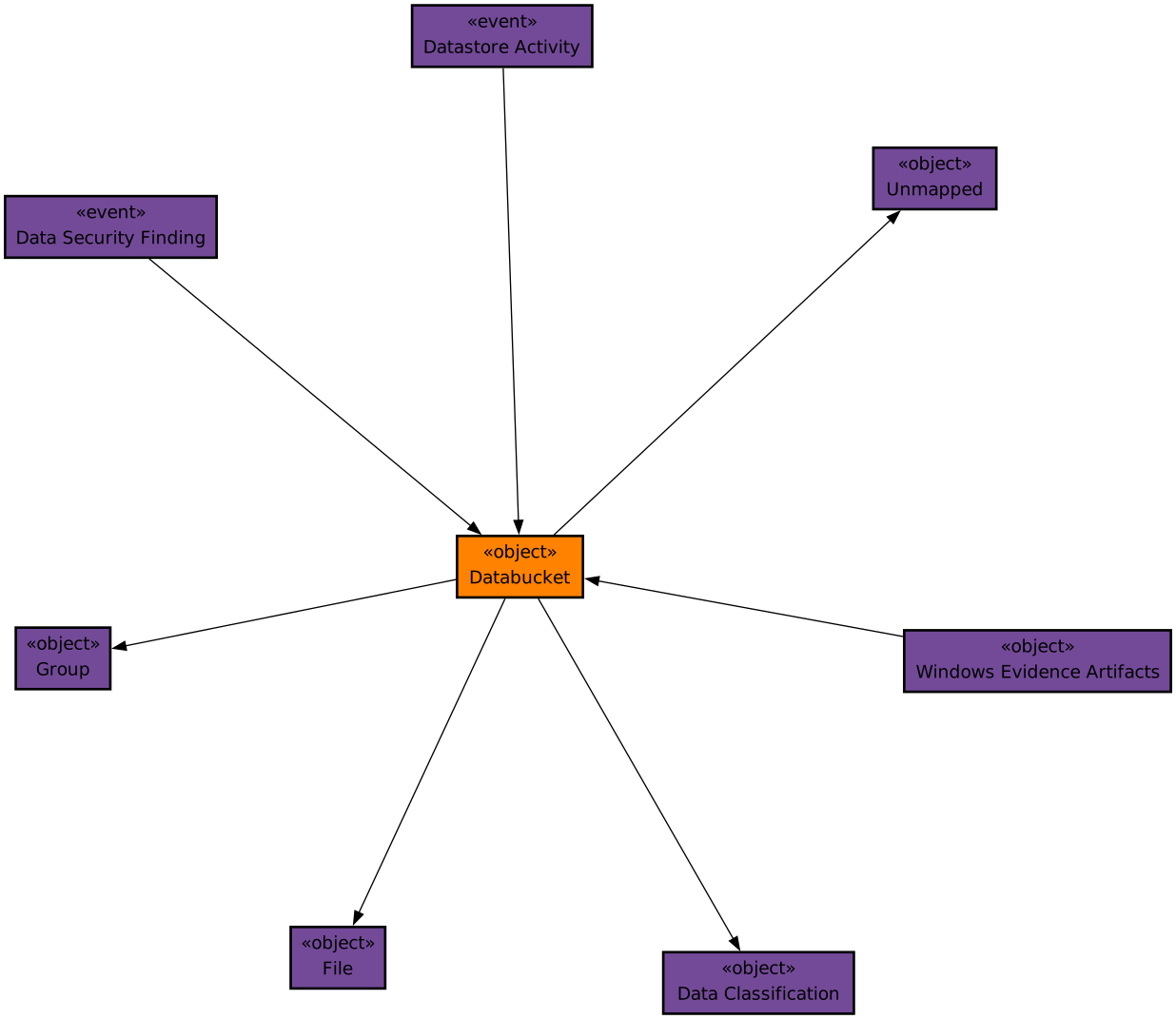
Inbound Relationships
These objects and events reference Databucket in their attributes:
Outbound Relationships
Databucket references the following objects and events in its attributes:
This page describes qdm-1.5.1+ocsf-1.6.0
Updated 4 months ago
Did this page help you?